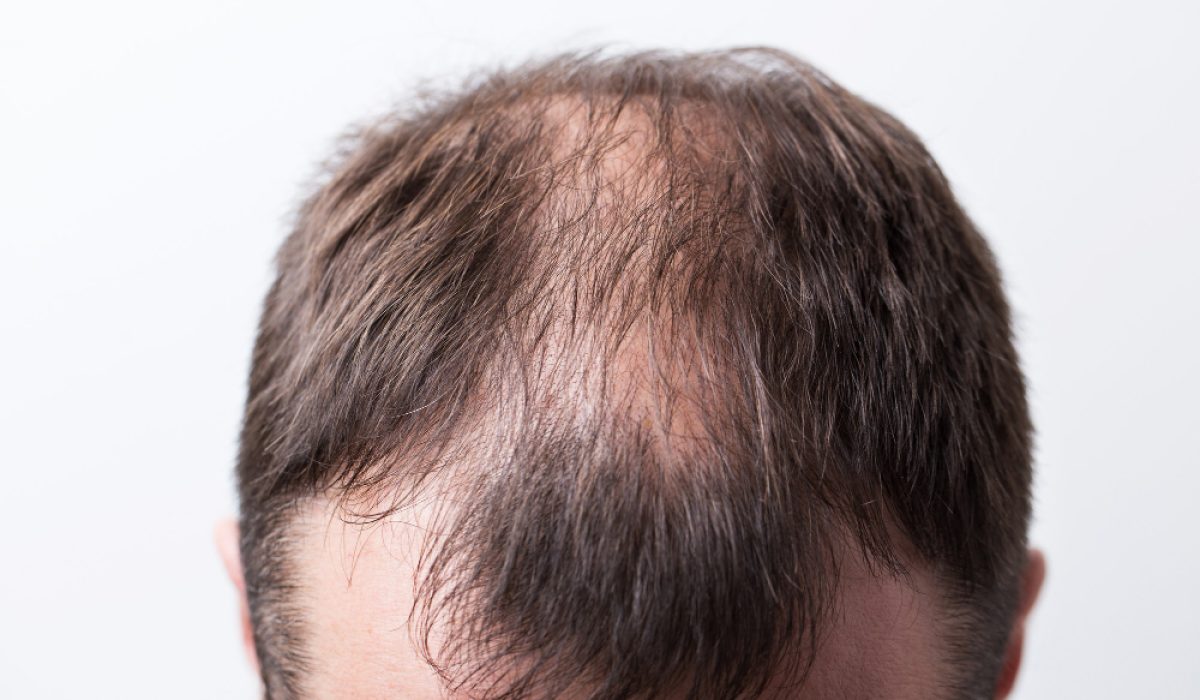
Introduction: Understanding Hair Loss and Its Impact
Hair loss is a common concern for many people. It can affect your confidence and self-esteem. For some, losing hair may even cause stress or worry. However, there are natural ways to support hair health. Ayurvedic remedies for hair loss offer gentle solutions. Many people now seek Ayurvedic hair loss treatment for safe and lasting results.
Common Causes of Hair Loss
There are many reasons why hair falls out. Some causes are temporary, while others may last longer. Knowing the cause helps you choose the right treatment. Common causes include:
Sometimes, a mix of these factors leads to hair loss. Therefore, it is important to look at your lifestyle and habits.
Ayurvedic Perspective on Hair Loss
Ayurveda is an ancient Indian system of medicine. It sees hair loss as a sign of imbalance in the body. According to Ayurveda, three energies—Vata, Pitta, and Kapha—control health. When these are not balanced, hair problems may occur. For example, excess Pitta can cause hair thinning and early graying. Ayurveda focuses on restoring balance for natural hair regrowth.
Detailed Ayurvedic Remedies for Hair Loss
Ayurvedic remedies for hair loss use herbs, oils, diet, and lifestyle changes. These methods are gentle and natural. Let’s look at some of the best Ayurvedic herbs for hair loss and other solutions.
Herbs for Hair Health
Ayurvedic Oils
Regular oil massage, called “Abhyanga,” helps relax the mind and supports hair health.
Dietary Tips
Lifestyle Practices
These simple changes can make a big difference over time.
Prevention Tips Based on Ayurveda
Preventing hair loss is easier than treating it. Ayurveda offers many tips to keep hair strong:
By following these steps, you support healthy hair growth naturally.
When to Seek Professional Help
While Ayurvedic remedies for hair loss work for many, sometimes you need expert advice. If you notice sudden or severe hair loss, see a doctor. Also, if you have scalp pain, redness, or sores, get medical help. An Ayurvedic specialist can suggest the best treatment for your needs. They may also work with your regular doctor for the best results.
Conclusion
Ayurvedic hair loss treatment uses natural methods to restore balance and support hair growth. With the right herbs, oils, diet, and lifestyle, you can enjoy stronger hair. However, always consult an Ayurvedic specialist for personalized guidance.